About Us
EcoSafe was formed with the intention to be an affordable and knowlegable garden service available across Central New York. We use morals and expertise to grow with a positive attitude towards ecological sustainability. Our team is experienced and eager to share their knowledge with others! Work experience with produce, houseplants, and even cannabis has taught us that whether you are brand new or experienced, you are always learning!
Use nature to help yourself!
Ecological Sustainability And Its Impact On You
Everything in nature, like it or not, is connected. Even if you can't see it, impacts are being made even on a microscopic level that have a chain reaction impacting even you! As gardeners and growers, we need to realize this and learn to use nature to our advantage. As the world around us is being threatened by unethical practices, we must strive to be better. It's the method of the future. At EcoSafe, we consult our clients on the best and most realistic methods of growing with the end goal of limitting the impact on the ecosystem around us. From soil health to biocontrol, we strive to change the norm back to a more natural method one person at a time.


What are Invasive Species?
Invasive species are harmful species of plants or animals that harm our native eco-system. These are non-native, have no (or few) predators around to control their population growth, and if left unchecked will push out/outcompete native species in the ecosystem that share the same niche (role) or habitat as the invasive species. One big way that invasive species are introduced is through accidental release into the eco-system. Believe it or not, many common plants found around New York State are invasive and are intentionally planted for their looks, but can pose issues to plant or animal life around them. This is a major reason that we, at EcoSafe, strive to only plant non-invasives and help with the removal of commonly found invasives (pests or plants). Interested in learning more about this subject? Reach out or ask us, we are happy to share our knowledge!


New York Department of Environmental Conservation Invasive Species Lists and Regulations (Link)
https://dec.ny.gov/nature/invasive-species/resources-regulations/regulations
Cornell University Invasive Species Information (Link)
https://cals.cornell.edu/integrated-pest-management/eco-resilience/invasive-species

Special Conservation Projects
Every property makes a difference. It adds up. Take part in our efforts on your own at home, or reach out to us to learn more!
Two Spotted Ladybug Releases


Everyone knows what a ladybug is and has seen them many times in their lives. The question is, was it a native species? Many ladybugs found around New York State are in fact invasive species, notably the Multicolored Asian Ladybeetle and the Seven Spotted Ladybug. These are introduced, non-native species that are outcompeting our dozens of native species here in New York. This, habitat loss by removal of native plants, and overuse of pesticides is contributing to major population decline of native species, noteably the Two Spotted Ladybug. This species was once one of the most common found ladybugs across the state and now are a conservation concern with rapidly dropping populations. We have begun sourcing, and releasing this species in attempt to have some survive to continue reproducing further generations in the wild. These are major predators of many pests home gardeners constantly struggle with such as mites, scales, and most importantly, aphids. While invasive species of aphids spread rapidly and effect native plants (such as the oleander aphid feeding off native milkweeds for example), introduction of ladybugs into the ecosystem can help control the invasive spread which benefits much of our local flora and fauna (plant and animal life).
TLDR- Stop using pesticides, plant more native wildflowers, source two spotted ladybug to relaease.
Monarch Butterfly Conservation
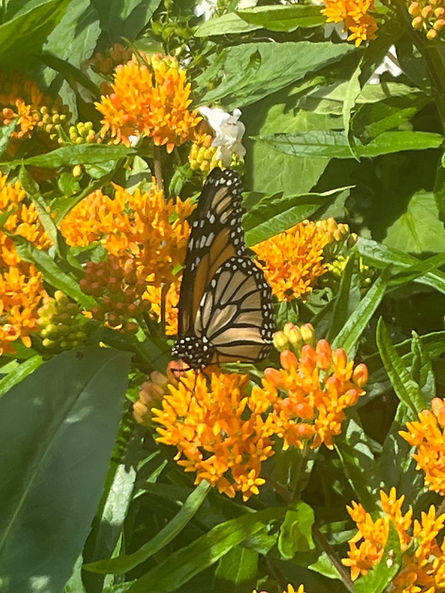
The Monarch Butterfly is one of the most recognizeable butterfly species across North America, and in New York State, we look forward to their northern migration each summer. Monarchs are a major pollonator species, feeding off of nectar in flowers, which spreads pollen around plant to plant, allowing these plants to form seeds to reproduce. This is super important, especially when it comes to keeping native plant species thriving in the wild. Unfortunately, Monarachs are now a conservation risk, seeing an 80% decline in the eastern population. How can we help the species to reproduce and bring the population back up? One easy method for home owners is to plant or leave their wild milkweed. Milkweed is ESSENTIAL to Monarch conservation. In New York State we have 3 native species of milkweed, all important to conservation. Butterfly Weed (a more decorative looking, vibrant orange flowering plant), Swamp/Rose Milkweed (a wetland loving species that produces dark pink or purple flowers), and common milkweed (the prefered species of Monarchs that often grows wild in lawns with thick leaves and large pink flower blooms). Milkweed is important because while adult butterflies feed on nectar of many flowers, their caterpillars can ONLY eat milkweed. Milkweed contains a toxin in its sap that makes it generally unpalletable to other species, but Monarch caterpillars thrive on it and even absorb the sap into their systems, giving them a defensive edge against predators. Monarchs lay eggs only on milkweed plants and essentially use them as a nursery for their young to grow on. We heavily encourage our clients to plant milkweed species on their property, or leave their wild Common Milkweed plants alone at the very least. It is amazing seeing the impact just a few of these plants make and having them will draw more butterflies to your property as a bonus!
TLDR- Plant native milkweeds, don't remove wild milkweed.
Firefly Habitat Restoration
Fireflies are a sight to see in the peak of summer. There are few things more amazing than seeing your property light up with flashing fireflies, socializing with eachother for the first time in months; but these organisms are much more than a light show. New York is home to 40 species of fireflies, and where they once were super abundant, they are now becoming a rare thing to see. Currently, 33% of New York's firefly species are lacking data on their populations, while 12% are confirmed to be at risk for extinction. This is due to lawn pesticide application (usually targetting grubs but effecting other organisms too), aggressive mowing of overgrown areas to make lawns, and light pollution. Fireflies begin their journey of life in the soil, leaflitter, and decomposing wood as larvae, many of which are known as glow worms. While in their larval stage, they are actually quite voracious predators, feeding on many pests homeowners stuggle with such as slugs, snails, and mosquito larvae. Once grown, they become nectar and pollen feeders, making these insects a nighttime pollenator species. Adults use their flashing as a means of communicating with one another, attracting mates, and detering predators. To us it looks like a light show, but to them, it is their way of species survival. With fireflies all over in rapid decline, there are several things that homeowners can do to boost their local populations, and we encourage all of our clients to take part. First, remove or limit outdoor lighting. Bright lights can interfere with firefly signaling, posing a major struggle for them. Try to use dull yellow lighting, minimize lighting in general, and put bright lights such as flood lights on motion sens0rs so that they are only on when needed. Another thing homeowners can do is to stop aggressively mowing. Lawns, while nice to some people, are ecological wastelands, containing nothing but low cut, non-flowering plants. This not only limits nectar/pollen for the adults, but also removes all habitat for their young to hide and hunt in. While asking everyone to get rid of their lawns is extreme and ultimately unrealistic, we do recommend that homeowners leave areas unmowed for habitat. Leave some side areas of the lawn overgrown and "weedy". Leave a patch that you mow around and call it your firefly garden. Another major thing homeowners can do is to not rake their leaves. It is simple, but fallen leaves are a major habitat area for fireflies, as well as many other organisms such as solitary bees or salamanders. Most of the time in mixed lawns (non-monocropped turf grass), leaving your leaves won't effect your lawn health negatively, and in fact, when it rapidly breaks down in the spring, it will double as a free compost for your soil health! Finally, stop applying broad target, artificial chemical pesticides to your soil and instead try more natural, targetted methods to control pests such as grubs. There are many options available such as using nematodes or predatory fungus like milky spore instead. All of these methods are easy and will greatly help you in conserving firefly populations for generations to come!
TLDR- Don't apply broad target chemical pesticdes to soil, Leave unmowed areas, don't rake leaves, limit outdoor night lighting.